Table of Contents
- Understanding the ROI of Budget-Friendly AI Automation
- Customer Service Automation: Your 24/7 Front Line
- Marketing Automation Within Budget Constraints
- Workflow and Process Automation
- Scheduling and Administrative Automation
- Combining Tools for Maximum Impact Under $500
- Implementation Strategy for Small Business AI Adoption
- Measuring Success and Optimizing Your AI Investment
- Frequently Asked Questions
Small businesses face a persistent challenge: competing with larger enterprises while operating on constrained budgets and limited staff. AI automation tools for small business have emerged as the great equalizer, enabling lean teams to accomplish more without proportional increases in overhead. The good news? You don’t need enterprise-level budgets to harness transformative automation—numerous powerful AI solutions deliver substantial ROI for under $500 per month, making advanced technology accessible to businesses of all sizes.
The landscape of affordable AI automation has expanded dramatically in recent years. What once required custom development and five-figure investments now comes packaged in user-friendly, subscription-based platforms designed specifically for resource-conscious businesses. These tools handle everything from customer communications and marketing campaigns to data entry and scheduling, freeing your team to focus on strategic growth rather than repetitive tasks.
Understanding the ROI of Budget-Friendly AI Automation
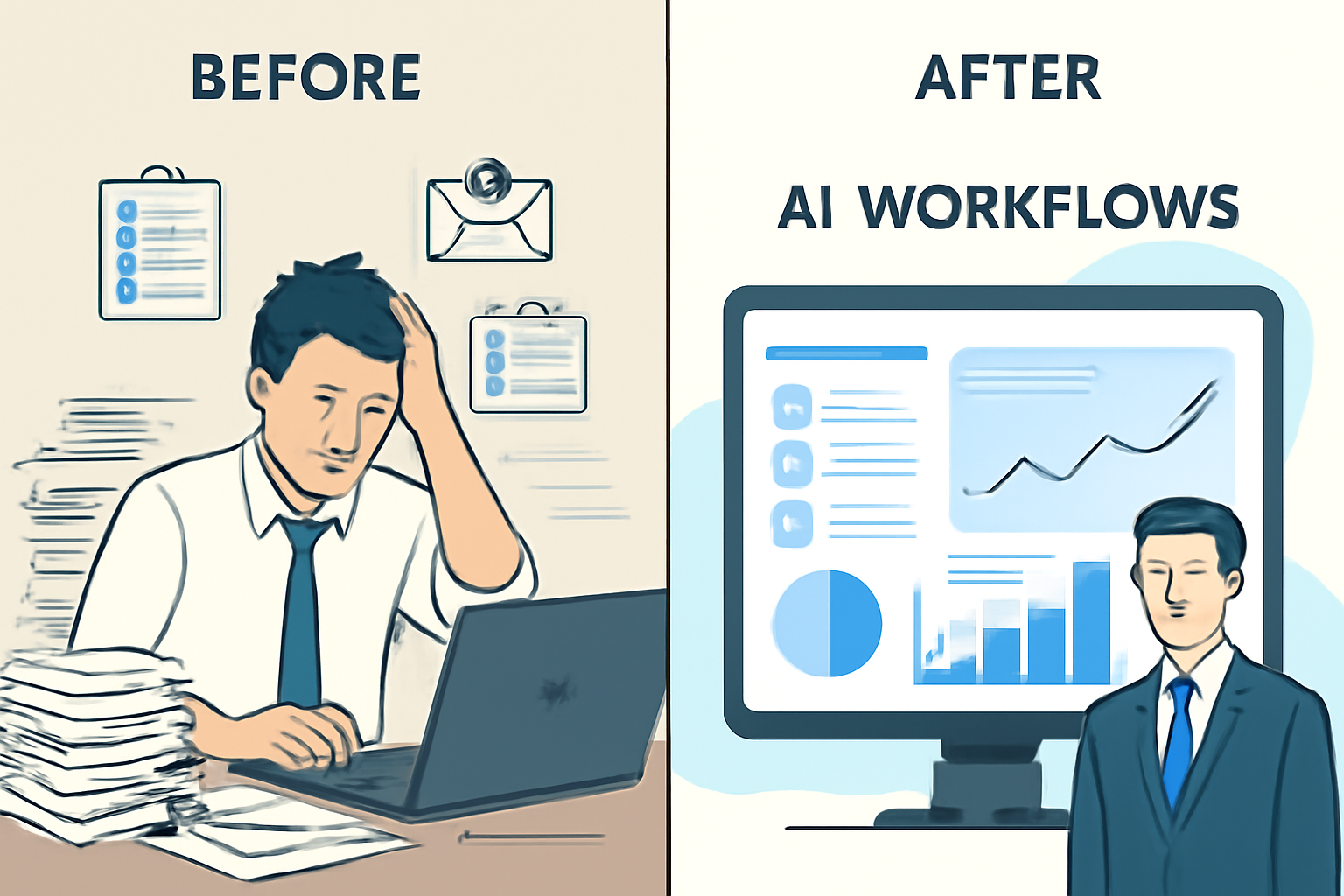
Before diving into specific tools, it’s essential to understand how AI automation delivers value for small businesses. The return on investment extends far beyond simple cost reduction—though that alone often justifies the expense. When a $99/month AI chatbot handles 70% of routine customer inquiries, you’re not just saving customer service hours; you’re improving response times, extending availability to 24/7, and capturing leads that would otherwise slip away during off-hours.
Small businesses implementing AI automation tools typically experience three categories of benefits: direct cost savings through labor reduction, revenue increases from improved customer experience and faster response times, and operational improvements including reduced errors and enhanced data insights. A marketing agency using AI-powered content scheduling and email automation might invest $200 monthly but reclaim 20 staff hours per week—time redirected toward client acquisition and retention activities that directly impact the bottom line.
Customer Service Automation: Your 24/7 Front Line
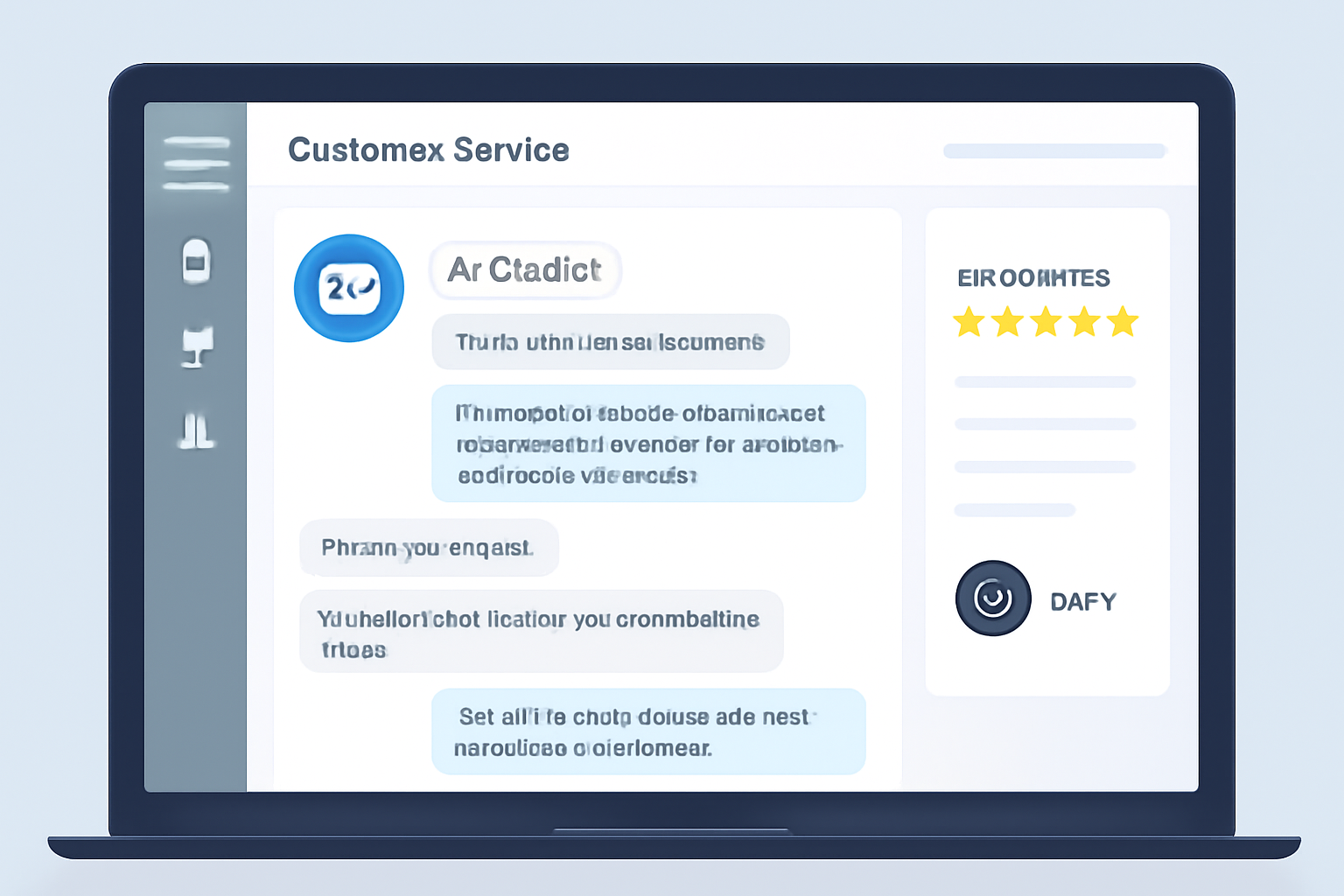
Customer service represents one of the highest-impact areas for small business AI automation. Modern AI chatbots and virtual assistants handle common inquiries, qualify leads, book appointments, and escalate complex issues to human team members—all without requiring constant oversight.
Affordable Customer Service AI Tools
Tidio offers one of the most accessible entry points at $29/month for their Communicator plan, providing AI-powered chatbots that integrate with your website, Facebook Messenger, and email. The platform includes pre-built templates for common scenarios like FAQ responses, order tracking, and appointment scheduling. Small e-commerce businesses report 40-60% reductions in basic inquiry volume after implementing Tidio’s chatbots.
Intercom’s Starter plan ($74/month) delivers more sophisticated conversational AI with natural language processing that improves over time. It’s particularly valuable for SaaS companies and service businesses with more complex customer journeys. The platform’s ability to segment conversations and route them intelligently ensures customers reach the right resource quickly.
Drift specializes in conversational marketing and sales, with plans starting around $40/month for basic chatbot functionality. It excels at lead qualification, automatically identifying high-intent visitors and connecting them with sales representatives in real-time or capturing information for follow-up.
Marketing Automation Within Budget Constraints
Marketing automation represents another high-value application of AI for small businesses. These tools orchestrate multi-channel campaigns, personalize messaging based on customer behavior, and optimize send times and content—tasks that would otherwise require dedicated marketing staff or agencies.
Email and Social Media Automation
Mailchimp’s Standard plan ($20/month for up to 500 contacts) incorporates AI-powered send time optimization, subject line assistance, and predictive segmentation. The platform analyzes your audience’s engagement patterns and automatically adjusts campaign delivery for maximum impact. Small retailers using Mailchimp’s AI features report 15-25% improvements in open rates compared to manual scheduling.
Buffer ($6/month per social channel) automates social media posting across platforms while using AI to suggest optimal posting times based on when your audience is most active. The platform’s AI also helps identify top-performing content types, enabling data-driven content strategy without requiring analytics expertise.
HubSpot’s free CRM includes surprising amounts of AI-powered automation, with affordable Marketing Hub Starter upgrades ($45/month) adding email automation, landing pages, and forms with smart content personalization. For small businesses building their marketing infrastructure from scratch, HubSpot provides an integrated ecosystem that grows with your needs.
Content Creation and Optimization
ChatGPT Plus ($20/month) has become an indispensable tool for small business content creation. From drafting blog posts and social media captions to generating email sequences and product descriptions, this AI assistant dramatically accelerates content production. Businesses report reducing content creation time by 50-70% while maintaining quality and brand voice consistency.
Jasper AI’s Creator plan ($49/month) offers more specialized marketing content generation with templates for specific use cases like Google Ads, Facebook ads, product descriptions, and SEO meta descriptions. The platform includes brand voice customization, ensuring generated content aligns with your established messaging.
Workflow and Process Automation
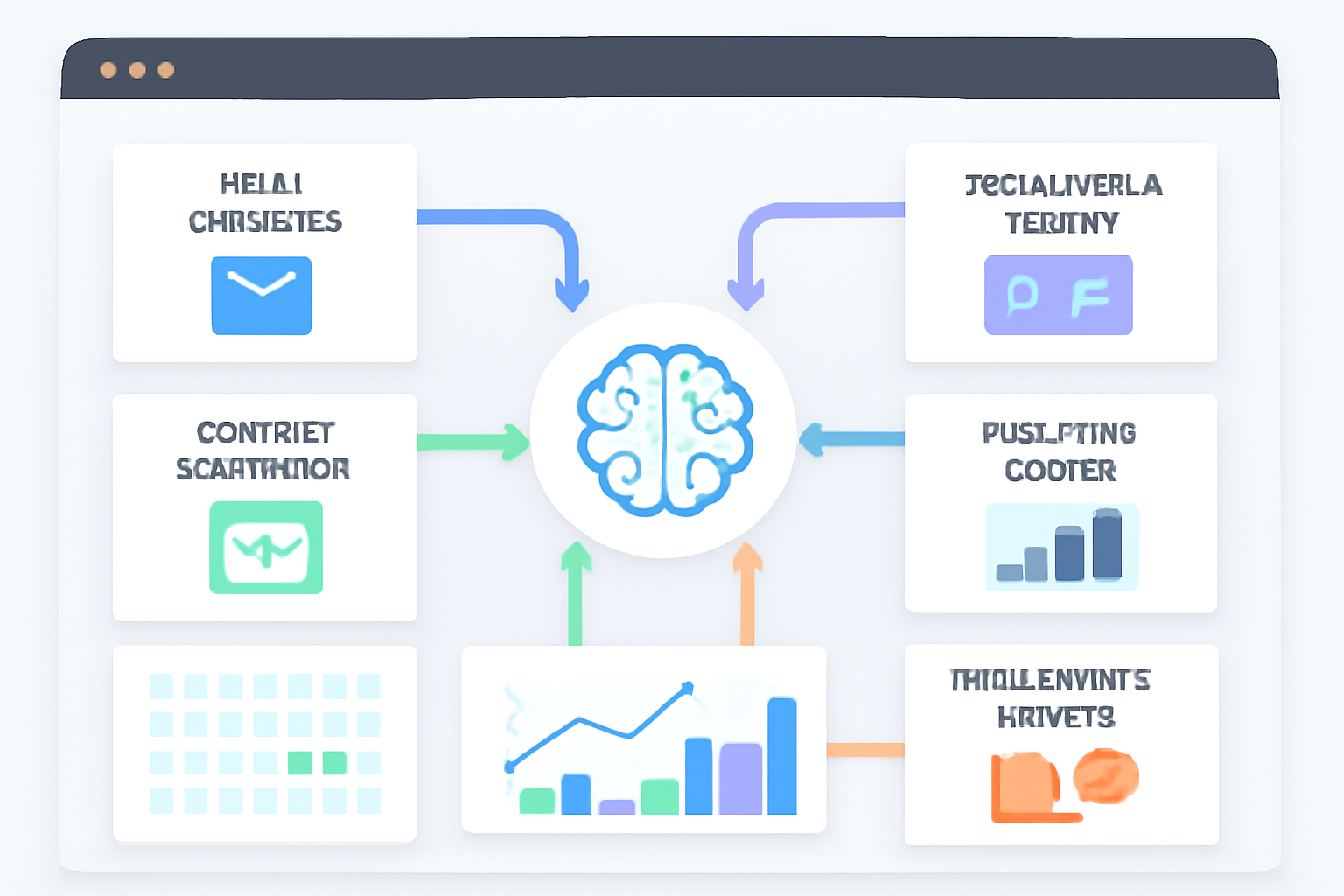
Beyond customer-facing applications, AI automation tools streamline internal operations, connecting disparate systems and eliminating manual data transfer between platforms.
Integration and Workflow Platforms
Zapier starts at $19.99/month for 750 tasks, enabling connections between thousands of business applications without coding. Common small business workflows include automatically adding email subscribers to CRM systems, creating calendar events from form submissions, posting new blog content to social media, and generating invoices from completed projects. The time savings compound quickly—a business running 20 automated workflows might reclaim 10-15 hours weekly.
Make (formerly Integromat) offers similar functionality with a more generous free tier and visual workflow builder. At $9/month for 10,000 operations, it’s particularly cost-effective for businesses with high-volume but simple automation needs.
Document and Data Processing
Docparser ($39/month) uses AI to extract data from invoices, receipts, purchase orders, and other documents, automatically routing information to your accounting software, spreadsheets, or databases. Small businesses processing dozens of documents weekly save hours of manual data entry while reducing errors.
Nanonets provides similar OCR and data extraction capabilities starting at $49/month, with the added benefit of custom model training for industry-specific document types.
Scheduling and Administrative Automation
Administrative tasks consume disproportionate time for small business teams. AI-powered scheduling and administrative tools reclaim these hours for revenue-generating activities.
Calendly’s Professional plan ($12/user/month) automates appointment scheduling with AI-powered features like automatic time zone detection, buffer time insertion, and integration with video conferencing platforms. Service businesses report eliminating 5-10 hours of scheduling back-and-forth weekly.
Reclaim.ai (free for individuals, $8/user/month for teams) uses AI to automatically schedule focus time, breaks, meetings, and tasks based on your priorities and habits. It dynamically adjusts your calendar as priorities shift, ensuring important work gets protected time slots.
Combining Tools for Maximum Impact Under $500
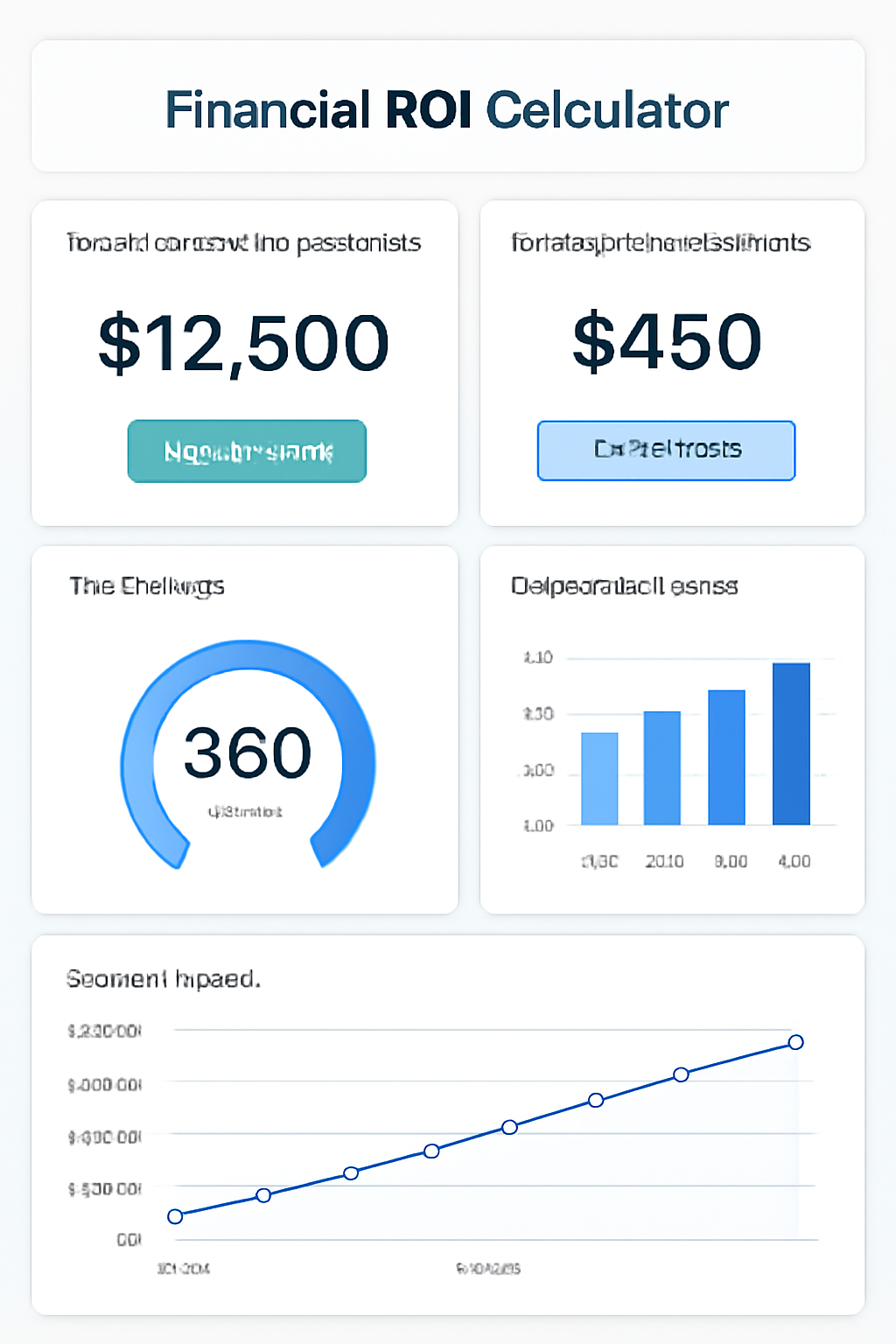
The real power emerges when strategically combining multiple affordable AI automation tools into an integrated system. A typical small business automation stack under $500 might include:
- Customer service chatbot ($29-74/month) handling initial inquiries and lead capture
- Email marketing automation ($20-45/month) nurturing leads and engaging customers
- Workflow automation platform ($20-50/month) connecting systems and eliminating manual data transfer
- Content creation AI ($20-49/month) accelerating marketing content production
- Scheduling automation ($12-30/month) eliminating appointment coordination overhead
- Social media automation ($6-30/month) maintaining consistent online presence
This comprehensive stack totals $127-278 monthly while automating substantial portions of customer service, marketing, administrative work, and internal operations. The key is selecting tools that integrate well together, ideally through native connections or via platforms like Zapier.
Implementation Strategy for Small Business AI Adoption
Successful AI automation implementation follows a deliberate, phased approach rather than attempting to automate everything simultaneously. Start by identifying your highest-pain processes—those consuming the most time relative to their strategic value. Customer service inquiries, social media posting, appointment scheduling, and email follow-ups typically top the list for small businesses.
Begin with one or two tools addressing your most pressing needs. Master these platforms, optimize your workflows, and measure the impact before expanding. Most affordable AI tools offer free trials; use these periods to validate that the solution addresses your specific use case before committing financially. Document your automated processes and train team members on both using the tools and handling exceptions that require human intervention.
Measuring Success and Optimizing Your AI Investment
Track specific metrics to ensure your AI automation tools deliver expected returns. Monitor time saved on automated tasks, customer satisfaction scores, response time improvements, lead conversion rates, and revenue attributed to automated campaigns. Most platforms include analytics dashboards showing usage and impact; review these monthly to identify optimization opportunities.
As your business grows and automation maturity increases, periodically reassess your tool stack. You might consolidate multiple single-purpose tools into more comprehensive platforms, or conversely, swap all-in-one solutions for specialized tools that better address specific needs. The affordable AI automation landscape evolves rapidly, with new capabilities and competitive pricing emerging regularly—staying informed ensures you’re leveraging the best value tools for your current situation.
Small businesses no longer face a choice between automation and affordability. Today’s AI automation tools deliver enterprise-grade capabilities at small business prices, enabling lean teams to compete effectively while maintaining healthy margins. By strategically selecting and implementing the right combination of affordable AI solutions, your business can reclaim hundreds of hours annually, improve customer experiences, and redirect resources toward growth initiatives—all for less than the cost of a single part-time employee.
Frequently Asked Questions
What are the best AI automation tools for small businesses with limited budgets?
The most cost-effective AI automation tools for small businesses include Zapier (starting at $19.99/month), HubSpot’s AI features (free tier available), ChatGPT Plus ($20/month), and Tidio for customer service ($29/month). These platforms offer essential automation capabilities without requiring enterprise-level investments, allowing small businesses to automate customer service, marketing, and administrative tasks affordably.
How much can small businesses realistically save using AI automation tools under $500 per month?
Small businesses typically save 15-30 hours per week in labor costs using AI automation tools, translating to $1,500-$3,000 monthly when accounting for employee time valued at $25/hour. Additionally, businesses report 20-40% improvements in customer response times and 25-50% increases in marketing efficiency, often generating 3-5x ROI within the first six months of implementation.
Do I need technical expertise to implement AI automation tools in my small business?
Most modern AI automation tools designed for small businesses require no coding or technical expertise, featuring drag-and-drop interfaces and pre-built templates. Platforms like Zapier, Make, and HubSpot offer guided setup wizards, extensive tutorials, and customer support to help non-technical users implement automation within days. Many tools also provide free trials to test functionality before committing financially.
Which business processes should small businesses automate first with AI tools?
Small businesses should prioritize automating repetitive, time-consuming tasks that directly impact customer experience or revenue generation: customer service responses (chatbots), email marketing campaigns, social media scheduling, appointment booking, invoice processing, and lead qualification. These processes typically deliver the fastest ROI and free up staff time for higher-value strategic activities that require human judgment.
Can AI automation tools integrate with existing small business software and platforms?
Yes, most affordable AI automation tools offer extensive integration capabilities with popular small business platforms including Gmail, Slack, Shopify, WordPress, QuickBooks, Salesforce, and Microsoft 365. Integration platforms like Zapier and Make connect thousands of applications, enabling seamless data flow between systems without custom development, while many AI tools also provide native integrations with commonly-used business software.